Custom vs. Semi-Custom Cabinets: Which Is Worth It for Your Kitchen?
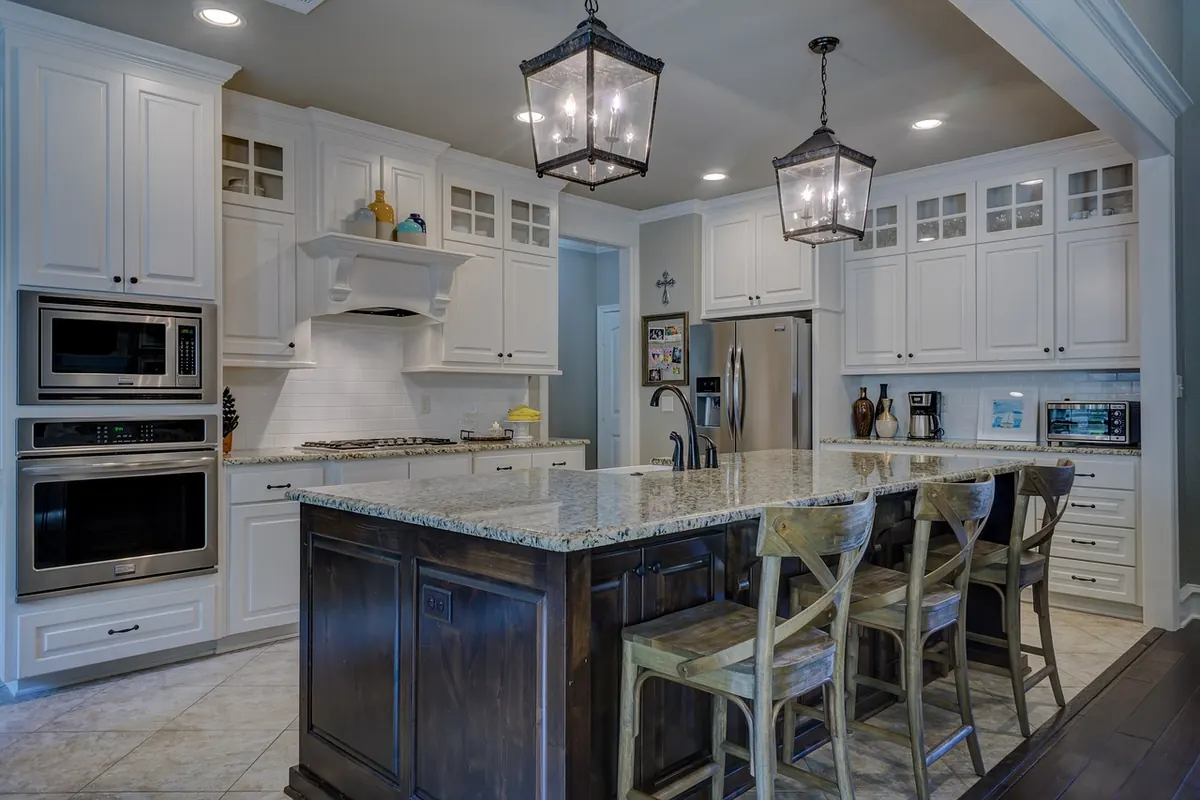
Two kitchens can photograph almost identically and still be nothing alike where it counts. One has cabinets built to the room's exact dimensions, with a drawer sized for the roasting pan. The other has handsome doors on boxes that came in three widths, with filler strips hiding the gaps. Both are legitimate choices. The question is which one earns its price in your house.
What Custom and Semi-Custom Actually Mean
Most cabinet lines fall into three tiers. Stock cabinets come in set widths and depths in a handful of finishes, and you design around the sizes that already exist. Semi-custom cabinets start from a factory's standard box but let you adjust width, depth, and door style, and add interior fittings. Custom cabinets are drawn for your room: any dimension, any door profile, often built and finished by a local shop.
The practical difference between the top two tiers isn't good versus better. It's how far the cabinets have to bend to fit your space and your taste.
Cost: Where the Money Actually Goes
Cabinetry is usually the largest single line item in a kitchen remodel. Semi-custom sits above stock and below custom, and a fully custom kitchen can cost a multiple of a semi-custom one once you add hand-finishing, inset doors, or unusual woods.
It helps to separate the box from everything around it. A modest cabinet with soft-close hinges, a pull-out pantry, and a careful installation will outperform an expensive box that was hung crooked. Where custom earns its premium: odd walls, out-of-square corners, a sloped ceiling, a radiator that can't move, or a bank of cabinets that must line up exactly with a window. Where it doesn't: a rectangular kitchen with straight walls and ordinary ceilings. Semi-custom sizes will cover that room.
Ask for an itemized quote
Compare box price, doors, finish, hardware, delivery, and installation separately. A low cabinet price that quietly excludes assembly, delivery, or toe kick looks like a bargain until the final invoice.
Lead Time and How It Shapes Your Schedule
Stock cabinets can sometimes leave a warehouse within days. Semi-custom generally runs several weeks. Custom often runs a few months, especially with a small shop or an unusual finish. Any of those timelines can slide if a hardware supplier is late or a color batch needs redoing.
Plan backward from the day you want to cook again: demolition, rough plumbing and electrical, inspection, drywall, flooring, cabinet delivery, countertop template, countertop installation, backsplash, trim. Cabinets sit near the middle, and nothing after them speeds up to compensate for a late delivery.
Two habits help. Order as early as the design allows, and buy the hardware, panels, and trim in the same purchase. Chasing a matching toe kick six weeks later is a common and avoidable delay.
Storage Flexibility: Where the Difference Shows Daily
A drawer that holds your pots without a fight matters more than a door profile. Semi-custom lines offer more than most homeowners expect: drawer banks, roll-out trays, pull-out waste bins, cutlery dividers, tray organizers, and corner solutions. In a roughly rectangular kitchen, that tier can deliver a genuinely functional layout.
Custom starts to matter when the room is stubborn:
- Walls that are out of plumb, which is common in older homes.
- Sloped ceilings or soffits you'd rather work around than box in.
- A narrow galley where two extra inches of depth change how the kitchen feels.
- A sink, window, or appliance centered on a dimension no standard box fits.
- A very tall or very short cook who wants counter and upper cabinet heights adjusted.
Measure what you store, not just the space you have. A stand mixer, sheet pans, a stockpot, and a step stool each need a home, and those dimensions tell you whether a standard interior will actually work.
Finish Options and Detail Work
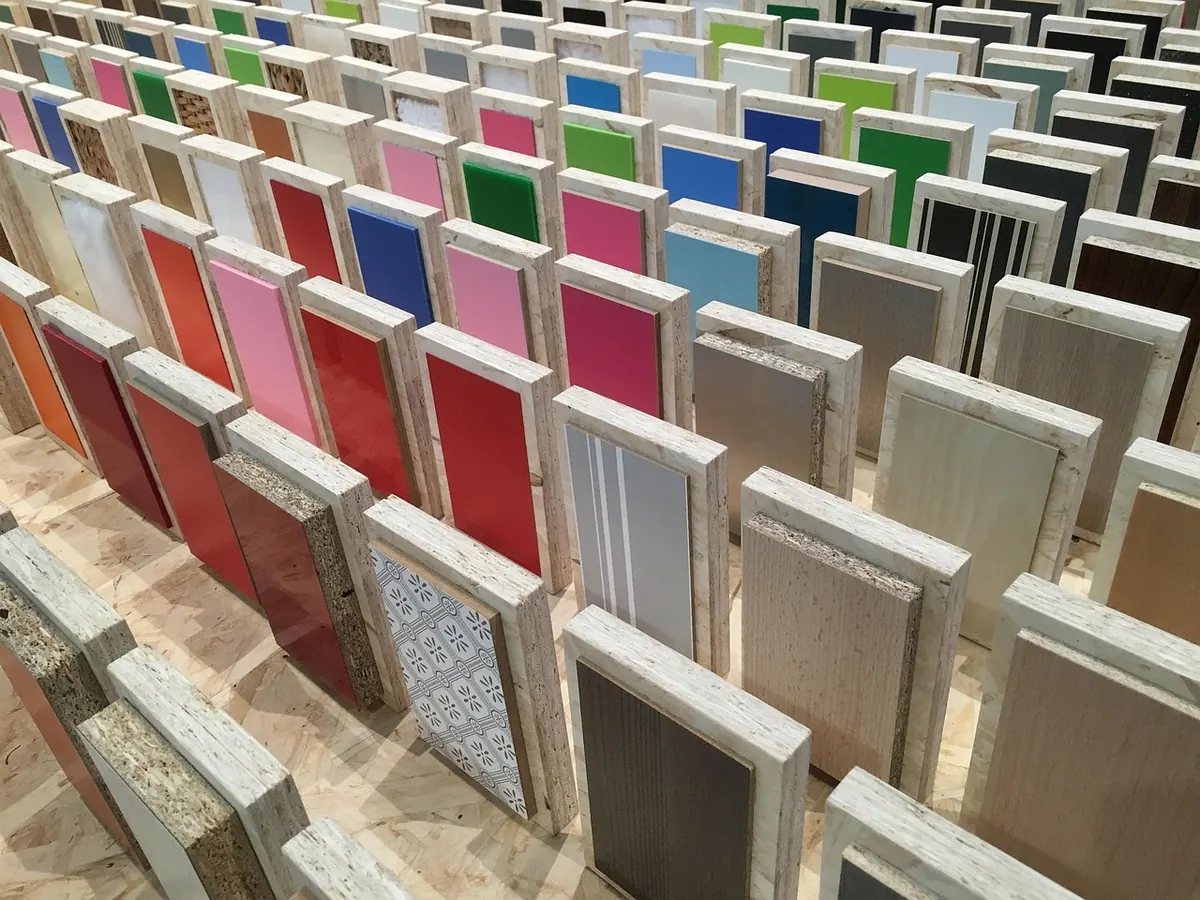
Semi-custom lines offer a defined menu: a set of stains, a set of paints, a few glazes, and a limited range of sheens. You can build a beautiful kitchen from that menu. What you may not get is an exact match to a tile sample, a specific wood species, or a hand-rubbed look.
Custom shops can match a color sample, build an inset door, finish the cabinet interiors to match, and produce panels for a dishwasher or refrigerator. If your kitchen leans on color and detail, that's real value. If you'd pick a neutral from three options anyway, the gap mostly disappears.
Either way, ask how the finish is applied and what the warranty covers. Factory-sprayed and hand-applied shop finishes age differently, and good touch-up advice outlasts the marketing name.
Resale Impact: What Buyers Actually See
Buyers don't ask which tier your cabinets came from. They notice whether the kitchen feels cared for: doors that close softly and evenly, drawers that glide, storage that makes sense, and a finish without chips around the handles. A well-built semi-custom kitchen in a smart layout can impress more than a custom kitchen in an awkward one.
Custom details that only you love — a bold color, an unusual door profile, a highly specific appliance arrangement — tend to be a personal expense rather than an investment. Cabinet values vary widely by region, so it's worth asking a local real estate professional how much kitchen work buyers in your area actually pay for before you commit.
Durability counts more than tier. Plywood boxes, quality hinges, and a finish that survives cleaning will still look right in ten years.
How to Choose Without Regret
Work through these in order, and the decision usually makes itself:
- Measure the room and note every wall that isn't straight.
- List what you store and where each item should live.
- Name the one thing you won't compromise on: storage, color, or timeline.
- Get two or three quotes at the same tier, plus one at the tier above.
- Schedule backward from the date you want your kitchen back.
Most homeowners are happiest putting money into storage and installation first, finish second, and novelty details last. Spend on the parts you touch every day — drawers, pull-outs, hinges — and keep the door style simple. If that fits inside semi-custom sizes, custom buys you very little. If the room fights back and the budget allows, custom earns its keep.
Photo: shadowfirearts / Pixabay